Apartment Finishing Stages in Order: 12 Steps
By AFAQ Development team · Updated
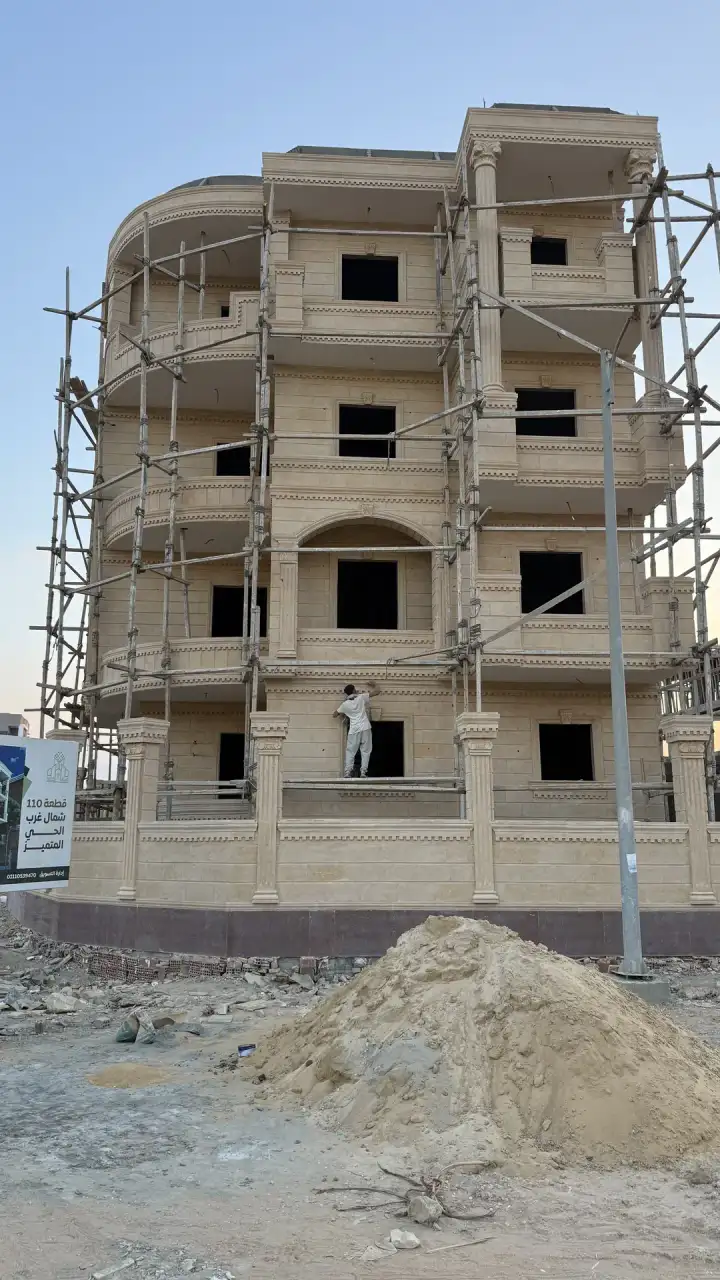
Finishing an apartment in Egypt follows a fixed order: survey, design and bill of quantities; demolition and new walls; electrical, plumbing and AC rough-in; waterproofing and plaster; ceilings and floors; painting and fittings; and finally the last coat of paint and handover. Any stage done early gets broken out and redone, which is a common reason finishing jobs run over budget and over time.
This guide walks through each stage: what happens, why it sits where it does, and the mistake to watch for. If you are not sure what state your unit was handed over in, start with what “semi-finished” means in Egypt.
Apartment finishing stages in order
The rule is simple: anything buried in a wall or floor goes in first, and anything that can be scratched or stained goes in last. These are the 12 stages in order; each one finishes before the next starts.
- The survey, design and bill of quantities (BOQ) come first, before any work on site.
- Demolition, layout changes and new walls follow if you are changing the layout, and finish before rough-in.
- The electrical rough-in (conduits, boxes and distribution board) goes in before plaster.
- The plumbing rough-in goes in before waterproofing and plaster, and the pipes are pressure-tested.
- The AC rough-in (copper and condensate pipes) goes in before plaster and gypsum ceilings.
- Bathroom and kitchen waterproofing follows the plumbing rough-in and comes before tiling, with a flood test afterwards.
- Plaster (known locally as mahara) covers the rough-in and is finished before ceilings and floors.
- Gypsum board ceilings go up after plaster and before painting.
- Ceramic, porcelain and marble are laid before the final coats of paint.
- Painting (sealer, putty and first coats) is done before timber floors and fittings.
- Fittings (doors, kitchen, sanitaryware, switches and lights) go in before the final coat.
- The final coat of paint, cleaning and handover close the job.
What happens before any trade arrives on site?
Two stages come before anyone picks up a tool: the survey and BOQ, then any demolition or layout changes. Decisions made here set the real cost and timeline.
An engineer measures the apartment and marks every socket, switch, water point and AC unit on the drawing, along with the floor finish in each room and the ceiling design. The BOQ then lists every item with its quantity, material and price. A clear BOQ is what protects you from “extras” that appear halfway through; our free apartment finishing BOQ template shows what one should contain.
If you plan to move walls, this is the time. Have a structural engineer confirm a wall is not load-bearing before it comes down. In concrete-frame buildings brick walls usually are not, but beams and columns must never be touched; in older load-bearing buildings the wall itself may carry the structure.
Why must rough-in come before plaster?
Because electrical conduits, water pipes and AC copper are buried in the walls, and plaster is what covers them. Plaster first and you will be breaking it out again to install services, paying for the same work twice.
- Electrical: a separate circuit for each heavy appliance (AC, water heater, electric oven), cable sized for the load, a working earth, and spare conduits for internet, satellite and cameras.
- Plumbing: hot and cold supply plus drainage, followed by a pressure test while the joints are still visible.
- AC: copper and condensate pipes run before plaster and ceilings, with a proper fall so the drain does not drip down the wall or facade.
- Waterproofing: bathroom floors (and often kitchens and balconies) are waterproofed and turned up the walls, then flood-tested to make sure nothing leaks into the flat below.
What are the finishing stages after plastering?
After plaster: gypsum board ceilings, then tiling, then putty and first coats of paint, then fittings, and finally the last coat, cleaning and handover. This is where the apartment starts to look finished, and where many quality disputes start.
- Plaster: good work starts with reference dots and screeds to keep walls straight. Check it with a long aluminium straightedge in several directions; wavy plaster shows through paint, especially in side light.
- Ceilings: gypsum board goes up with the lighting rough-in (spotlights, cove lighting). Board joints need tape and filler or they will crack later.
- Tiling: set one finished floor level for the whole apartment first, with falls towards bathroom and balcony drains. Fix the level before door frames go in.
- Painting: sealer, several coats of putty sanded between coats, then the first coats of paint, all before parquet and doors.
- Fittings: doors, kitchen, wardrobes, sanitaryware, switches, lights, parquet and AC units.
- Final coat and handover: the last coat covers scratches from installation. Then test every socket and tap, check under basins for leaks, close every door, and tap the tiles: a hollow sound means poor bedding.
How long does apartment finishing take?
It depends on the size, the finishing level and how quickly materials are chosen and delivered; a full finish is usually measured in months, not weeks. The real schedule comes from the BOQ and the order in which trades come in, so ask any company for a written schedule by stage, not just a final handover date. A staged schedule shows you a delay early, at rough-in, rather than in the last month.
Delays usually come from decisions changed after the previous stage is done, materials not available on time, not leaving plaster, waterproofing and putty enough time to dry, and trades waiting on each other with nobody coordinating them.
When should you hire a finishing company instead of separate trades?
If you cannot be on site every day, a finishing company takes on sequencing the trades, sourcing materials and answering for the result. The biggest risk with separate trades is not price; it is that each one blames the one before, and nobody owns the final result. Before you choose, ask each company for a written, itemised BOQ and compare the offers line by line.
At AFAQ Development, every item and material is written into the BOQ before work starts, and the work follows this sequence under an engineer’s supervision. We do not quote a flat rate per square metre: the price is set after a site visit and an itemised BOQ. If you need a 3D design before plastering, design is a paid service, and you get the fee back if you then sign a contract with us. We work turnkey with materials or labour-only, and the work carries a one-year warranty, detailed in the contract. See our apartment finishing service and projects, message us on WhatsApp with your apartment’s size and condition, or get in touch.